We use cookies to improve your experience. By navigating the site, you agree to our Cookie Policy.
Sustainability
Circular Economy
Sustainability
The Company focuses on effective integration with the basic philosophy of resource optimization, use of alternative sources and maximization of “recycle and reuse” by innovation.
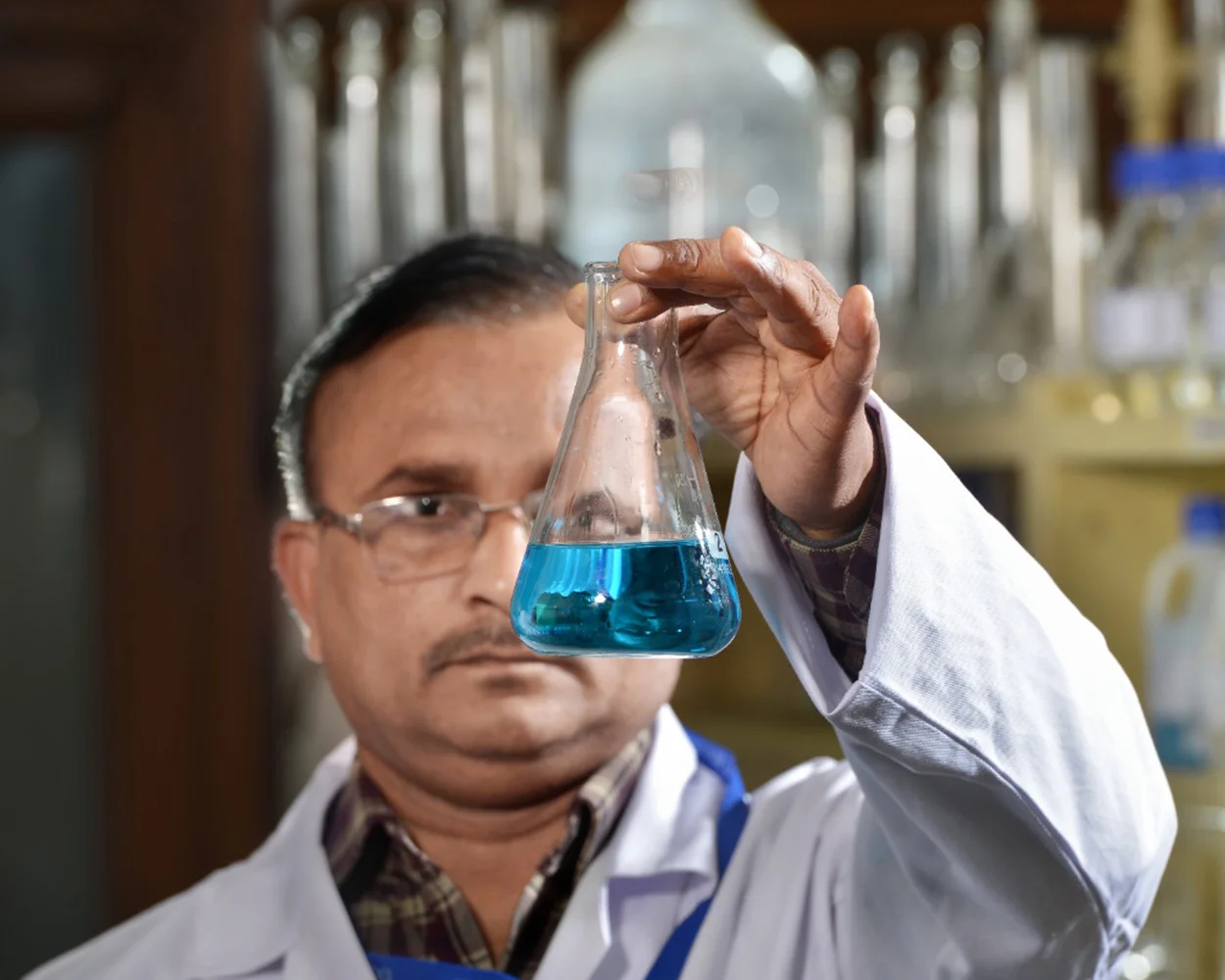
As part of its commitment to integrating sustainability into product stewardship, operational excellence, and value chain decision-making, DCM Shriram continued to strengthen the application of Life Cycle Assessment (LCA) across key businesses. LCA provides a structured and science-based approach to evaluate environmental impacts associated with products across defined lifecycle stages, enabling the Company to identify hotspots, improve resource efficiency, and support more informed sustainability interventions. During the year, DCM Shriram undertook full life cycle assessments covering more than 80% of its total products.
In the Shriram Alkali and Chemicals business, a cradle-to-gate life cycle assessment was carried out for the Chlor-Alkali process and its derivative chemical products manufactured at the Bharuch facility in Gujarat. The assessment covered a range of products including sodium hydroxide flakes, sodium hydroxide lye, chlorine, hydrogen, hydrogen chloride, sodium hypochlorite, aluminium chloride, hydrogen peroxide, sulphuric acid, and steam. The study assessed environmental impacts associated with raw material sourcing, upstream transportation, manufacturing operations, utility consumption, and packaging up to the factory gate. It provided product-level insights into environmental hotspots and supported improved understanding of impact drivers across the production system.
In Fenesta Building Systems, a life cycle assessment was also undertaken for selected window and door systems, reflecting the Company’s effort to embed lifecycle thinking into product design and sustainable building solutions. The assessment enabled a broader understanding of environmental impacts across relevant lifecycle stages and offered useful direction for improving material choices, product efficiency, and long-term sustainability performance.
These assessments were conducted using internationally recognized methodologies and covered a broad spectrum of environmental impact categories, including abiotic depletion (fossil fuels and minerals), water depletion, acidification, ecotoxicity, eutrophication, global warming, ozone depletion, photochemical ozone formation, and human toxicity. The studies have strengthened DCM Shriram’s understanding of the environmental footprint of key product portfolios and created a stronger basis for data-driven action on decarbonization, process optimization, resource efficiency, and sustainable innovation.
The application of LCA also supports greater transparency in sustainability disclosures and enhances the Company’s ability to engage meaningfully with customers, stakeholders, and value chain partners on product-related environmental performance.
Following waste/by-product materials are recycled for gainful utilization as input/raw materials:
Lime sludge (hydrated lime) from generation of acetylene for gainful utilization in cement manufacturing.
The Company has also developed technologies to incorporate other waste and byproducts such as the sludge from water treatment plants, fly ash and waste sludge in the concrete mix. Green cement produced in the Kota plant replaces cement by 30-40 percent fly ash and 8 to 10 percent sludge from concrete mix to produce lightweight concrete. Bagasse generated during manufacturing of sugar in all four units of the Sugar business is used as fuel for steam & power generation for captive consumption as well as for export to the state electricity grid. The company is committed to maintaining waste disposed of to landfill at or below 5% of total waste disposed annually
Effluent from the Urea plant is recycled in the Ammonia plant for use as Boiler Feed Water thereby reducing the fresh water demand.
Wastes generated during sugar processing like boiler ash and press mud cake are used as organic manure and distributed to the farmers for soil amelioration. Molasses based distillery units have been installed at two of our Sugar sites utilizing the molasses waste generated from the sugar mill for producing Ethyl alcohol.
Ethanol produced from molasses is used for blending in petrol and thus serves as green fuel in mitigating the climate change risk.
Slop generated from the distillery spent wash concentration in Multi-Effect Evaporators is mixed with bagasse which is used in boilers as a fuel.
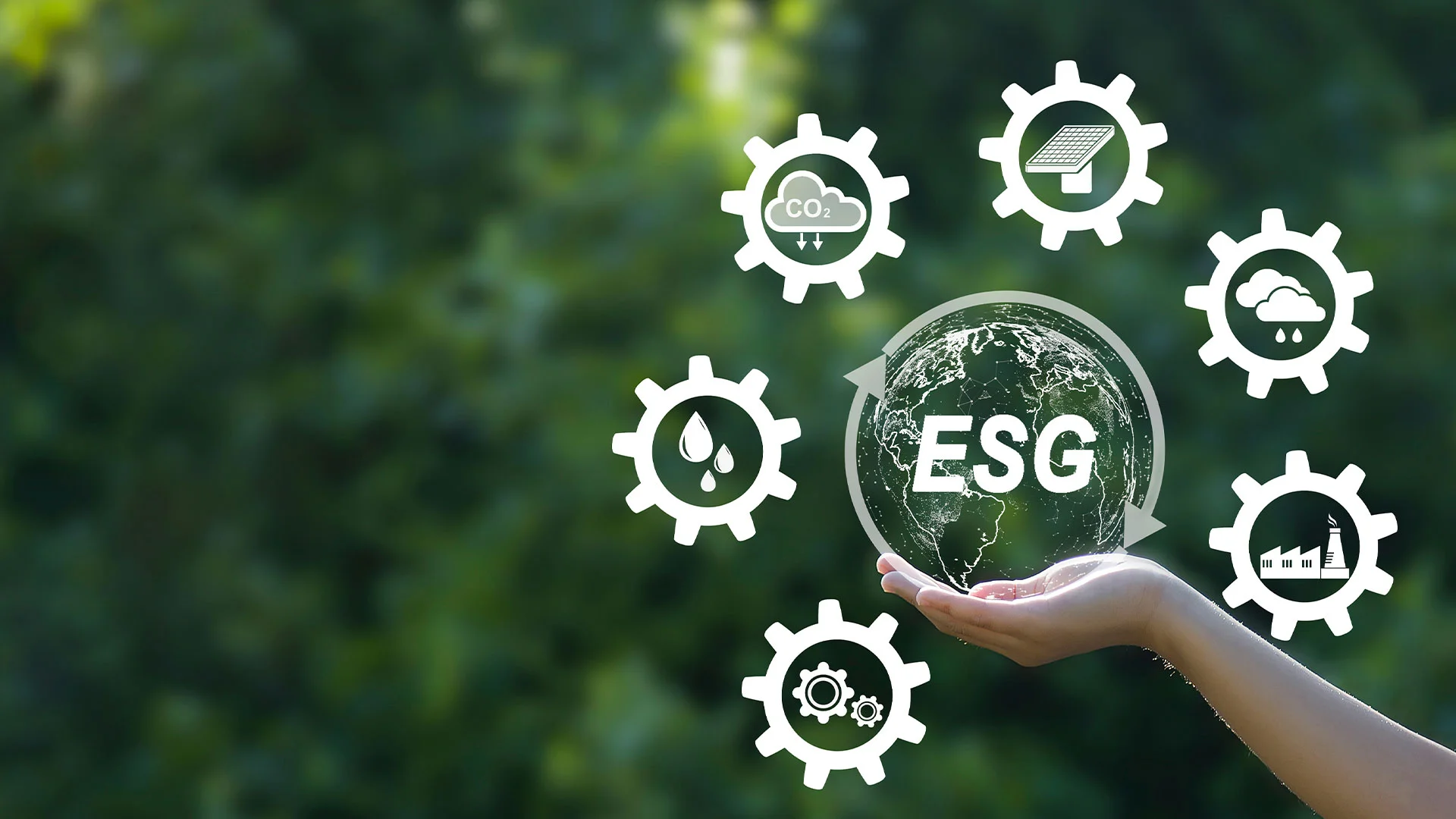
We firmly believe in the philosophy of ‘Sustainable Development' practices and are committed to work with our value chain partners to adopt the same practices and in making informed decisions for responsible procurement culture across the supply chain. We encourage our employees on responsible procurement practices and motivate our value chain partners in improving their ESG performance through sharing of best practices on ESG. A policy on Responsible Procurement is in place that provides direction to all the key stakeholders to minimize the negative impact on environment utilizing reusable & recyclable materials wherever possible.